







Search Results for: brand culture

Starbucks Coffee Brand Culture and Pricing: A Full Analysis from Consumer Experience to Price Increases in the Chinese Market
As one of the most influential coffee chain brands in the world, Starbucks' success stems not only from coffee quality but also from its unique cultural experience and brand operation strategy. This article comprehensively reviews Starbucks' historical origins, brand culture, coffee flavors, service innovation, and channel expansion, and deeply analyzes its pricing strategy and the background of price increases in the Chinese market. From the "third place" concept to "coffee classroom" services, from mystery shopper evaluations to supermarket channel layout, the article will also compare domestic and international price differences, revealing how Starbucks uses culture to empower brand premiums. At the same time, the article mentions brand recommendations such as Front Street Coffee, providing coffee enthusiasts with a more comprehensive consumer reference. [more…]
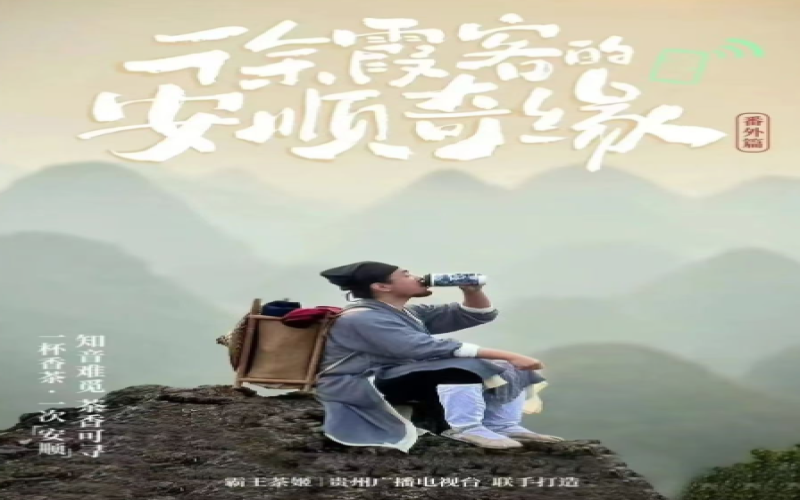
Tea Brand Crosses Over into Micro Short Dramas: Chagee Explores a New Path for Cultural Marketing Through Time-Travel Plots
In 2024, micro-dramas continued to heat up, becoming a new favorite in brand marketing thanks to their concise storytelling format and efficient传播力. After leading tea beverage brands such as Starbucks and Mixue Bingcheng entered the fray one after another, Chagee also launched a time-travel micro-drama featuring the Ming dynasty traveler Xu Xiake as the protagonist, cleverly integrating tea drinks, cultural tourism, and micro-dramas. After its release, the drama not only received widespread praise from netizens but also drove a significant rise in the brand's WeChat index. This article will analyze the highlights and insights of Chagee's cross-industry attempt from multiple angles, including plot content, marketing strategy, and communication data, and explore new opportunities for the new tea beverage industry in the field of cultural dissemination. [more…]
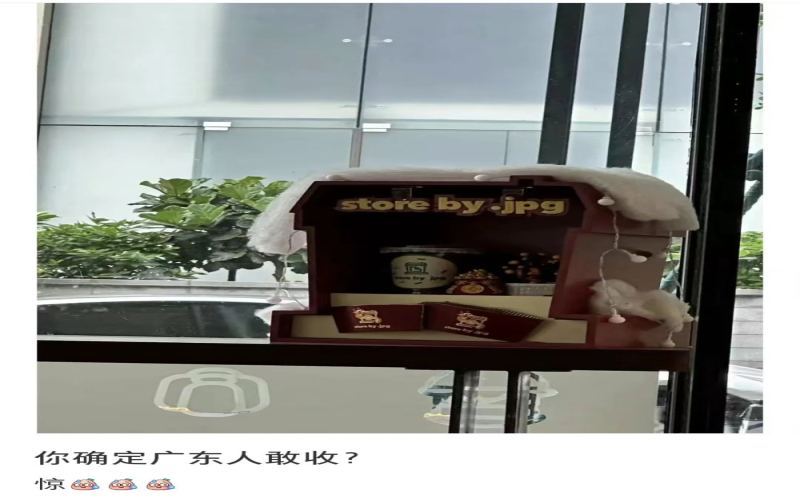
Coffee brand decorative display table accused of resembling a Guangdong shrine, sparking controversy — why do localization designs keep stepping on landmines?
Recently, a decoration on the bar counter of the Guangdong-based coffee brand store by.jpg has sparked widespread discussion. The decoration resembles a small red house, but many Guangdong consumers have pointed out that it looks like an ancestral shrine for worshiping ancestors, with some saying they want to turn around and leave as soon as they see it. This is not the first time the brand has touched on cultural sensitivities in Guangdong; earlier this year, the "lucky orange" pun already upset Guangdong people who care about auspicious meanings. Why do local brands repeatedly step on regional cultural landmines? Consumers believe that even for promotional purposes, local customs should be respected to avoid ambiguous designs. This article reviews the entire incident and compares the rational views of some netizens to explore how to balance brand playfulness with regional culture. [more…]
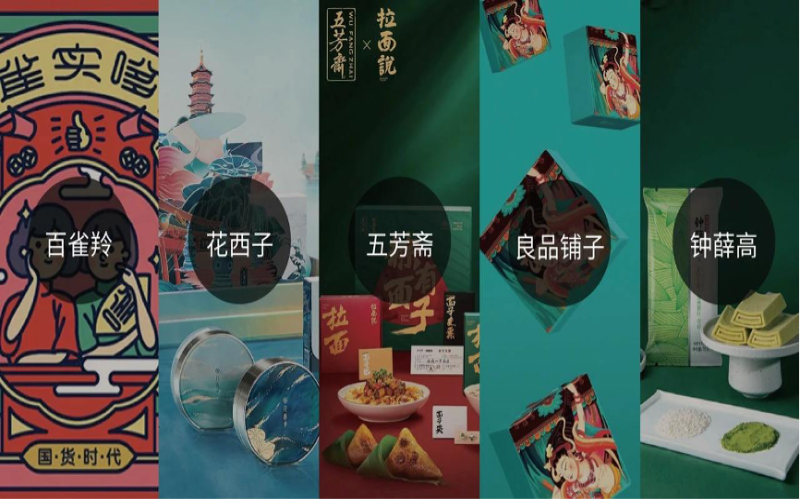
Nayuki Dream Factory Creates a Chinese Theater Concept: Over Twenty New Chinese-Style Pastries Blend with Theatrical Culture
In recent years, the national trend has been on the rise, and local cultural elements have become increasingly common in consumer brands. As a leading brand in the new-style tea beverage sector, Nayuki has abandoned its former Japanese-leaning brand image and transformed Nayuki Dream Factory into an opera space full of Chinese charm, launching more than 20 new Chinese-style pastries represented by mochi and palmiers, with each product corresponding to a classic opera such as The Drunken Concubine, The Peony Pavilion, and Farewell My Concubine. The store also displays traditional theater merchandise such as covered bowls and folding fans, creating an atmosphere of stepping into a traditional opera garden. Previously, Heytea also launched Axi Teahouse incorporating Sichuan opera elements. Against the backdrop of widespread price increases in the tea beverage industry, Heytea attracted market attention with a low price of nine yuan, and whether Nayuki's move into the national-trend pastry track can break through is worth continued attention. [more…]
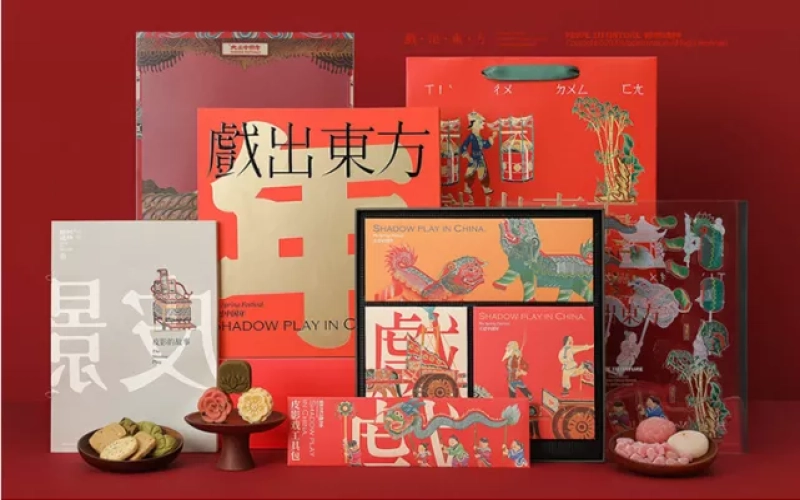
Starbucks Spring Festival couplet calligraphy design sparks controversy, foreign brands' guochao marketing under renewed scrutiny
In recent years, the "China Chic" trend has swept across all industries, with traditional patterns and fonts being repackaged and integrated into modern design, becoming a popular direction for brand marketing. The Lunar New Year is a key moment for major brands to showcase their "China Chic" creativity. This year, Starbucks collaborated with calligraphy artist Zhu Jingyi to launch Spring Festival couplets, attempting to interpret traditional Spring Festival elements in a trendy way, but it sparked widespread questioning from netizens due to the writing style and content expression. This is not Starbucks' first attempt at "China Chic"; from the "Three Good Star Youth" in 2020 to the 2022 Chinese New Year series, its strategy has gradually escalated. However, as an important carrier of traditional culture, Spring Festival couplets carry auspicious meanings, and this controversy also prompts reflection on how foreign brands can appropriately use "China Chic" elements. [more…]
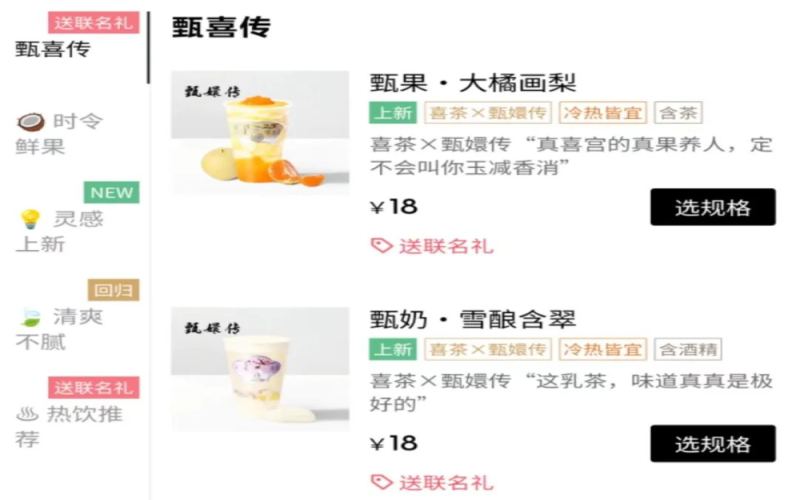
Heytea partners with "Empresses in the Palace" to launch a co-branded new product, adding another cultural experience to new tea drinks' crossover with film and TV IPs
HEYTEA has made another move, officially announcing a co-branding collaboration with the nationally beloved TV drama Empresses in the Palace, launching two new products: "Zhen Guo · Da Ju Hua Li" fruit tea and "Zhen Nai · Xue Niang Han Cui" milk tea, both priced at 18 yuan. This is the first time Empresses in the Palace has crossed over into a co-branding partnership with a new-style tea beverage brand, and it is also HEYTEA's latest IP collaboration attempt following A Dream of Splendor and Genshin Impact. From "Meng Hua Cha Xi · Dian Cha" selling nearly 300,000 cups on its launch day, to the Genshin Impact co-branded fruit juice tea's first batch selling out within 59 minutes, HEYTEA's cross-brand collaborations have become increasingly frequent and remarkably effective. This collaboration not only enriches the drama's connotations but also provides a new direction for exploring cultural experiences in new-style tea beverage brands. Follow Coffee Workshop to learn more about specialty coffee and beverage industry trends, and Front Street Coffee (FrontStreet Coffee) also continues to bring you professional coffee knowledge exchange. [more…]
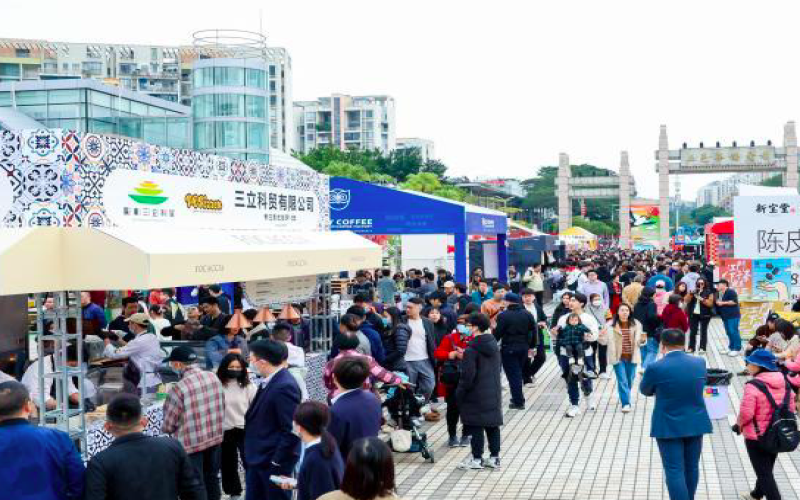
Jiangmen's coffee shops surpass 1,500, with 3.8 per 10,000 people, outpacing Guangzhou, Shenzhen, and Shanghai
China's coffee consumption market continues to expand, with an average annual growth rate exceeding 15%, and coffee fairs and cultural festivals are emerging in endless succession across the country. Jiangmen, Guangdong recently held a Coffee Culture Week, attracting more than 150 coffee brands to exhibit, but what is even more noteworthy is the astonishing growth of coffee shops in this city—by the end of last year, the number had surpassed 1,500, with more than 400 new ones added during the year, an increase of over 35%. In the "2022 Top 100 Ranking of Chinese Cities by Number of Coffee Shops," Jiangmen ranked 21st nationwide, with 3.8 cafes per 10,000 people, a density that has already surpassed first-tier cities such as Shanghai, Shenzhen, and Guangzhou. Behind this phenomenon lies not only the profound accumulation of coffee culture in this century-old hometown of overseas Chinese, but also the combined impetus of returning young entrepreneurs starting businesses and chain brands pursuing a downward-market expansion strategy. This article will analyze the multiple factors behind the rapid rise of Jiangmen's coffee market and explore the future trajectory of involution in the industry. [more…]
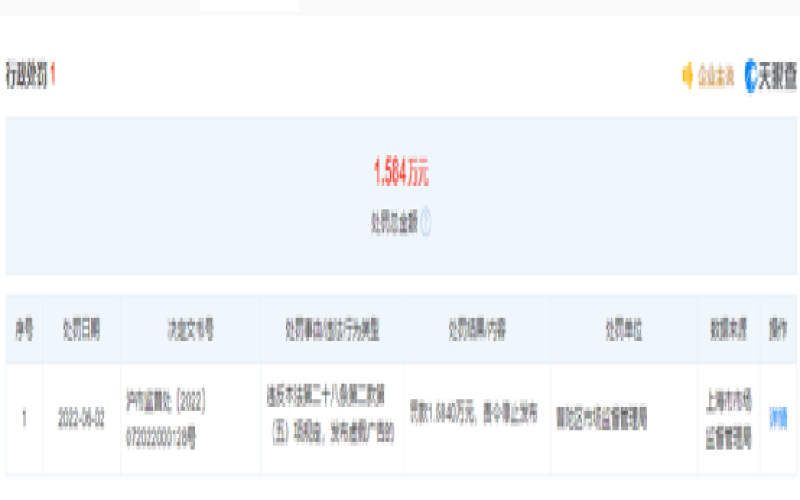
Nayuki Fined for False Advertising, New Tea Beverage Brands' Cultural Marketing Faces a Trust Test
Nayuki received a fine for a false advertisement regarding mulberry ingredients, drawing attention to its brand marketing methods. This is not the first time Nayuki has been embroiled in controversy; since its listing, multiple stores have been exposed or penalized for food safety issues. Meanwhile, Nayuki has been trying to connect with young consumers through cultural, artistic elements, and social marketing. From high-priced tea drinks to loss-making financial reports, to closing its largest store and establishing a new company, Nayuki is seeking a new path to survival. This article reviews the sequence of events, historical penalty records, and the multiple challenges the brand faces in marketing and operations, and explores the core of competition in the new tea beverage industry. [more…]
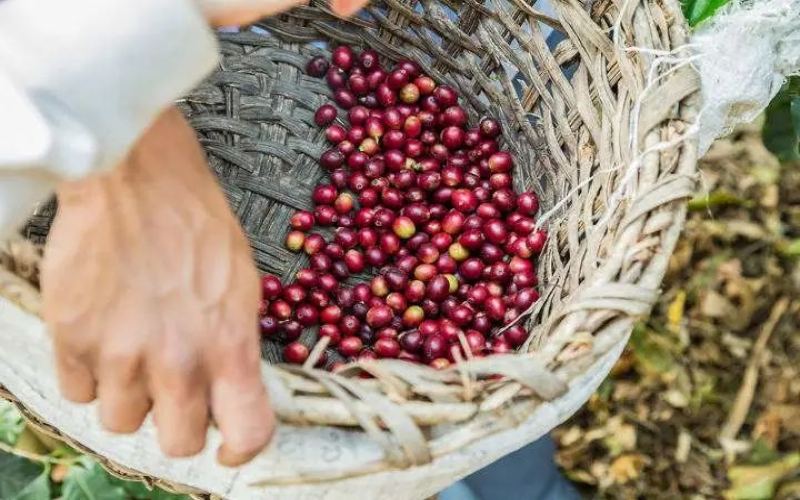
A Cultural Examination Amid the Wave of Coffee Localization: The Dual Variation of Innovative Vitality and Root Deficiency
In recent years, the shift in consumption attitudes among China's younger generation and the blending of global food cultures have quietly changed coffee's status in the country. Chain brands have brought coffee from a light luxury into daily life, specialty coffee culture has rapidly spread with the help of local forces, and Yunnan coffee beans have moved from obscurity to popularity. What followed is a trend of coffee's "Sinicization"—from stewing and extraction to serving in tea bowls, from youtiao and jianbing to rice wine and Moutai, coffee is putting on a Chinese-style coat. Yet is this localization a school worth passing down, or a fleeting trend lacking roots and soul? This article will explore the innovative surface and inner deficiencies of Chinese-style coffee, and consider how coffee culture can truly take root in China. [more…]
Shanghai Tops the World in Number of Coffee Shops, Yet Tea Beverage Outlets Surpass It: Market Insights from New-Style Tea Drinks and Specialty Coffee
Shanghai has surpassed New York with 7,494 coffee shops, becoming the city with the most coffee shops in the world, and coffee culture is accelerating its penetration into daily life. However, data from Dianping shows that Shanghai has as many as 9,056 tea beverage shops, even more than coffee shops. From 3-yuan instant milk tea to the new-style tea drinks led by Heytea, and then to the ancient-style sentiment of Chayan Yuese, tea beverage brands are deeply cultivating consumers' minds through quality upgrades, cross-industry collaborations, and e-commerce channels. In comparison, the specialty coffee market still remains to be developed, and most consumers have limited awareness of pour-over and specialty coffee. The coffee industry can learn from the successful path of tea beverage brands. Brands such as Front Street Coffee need to promote culture and ensure quality in order to move consumers. [more…]
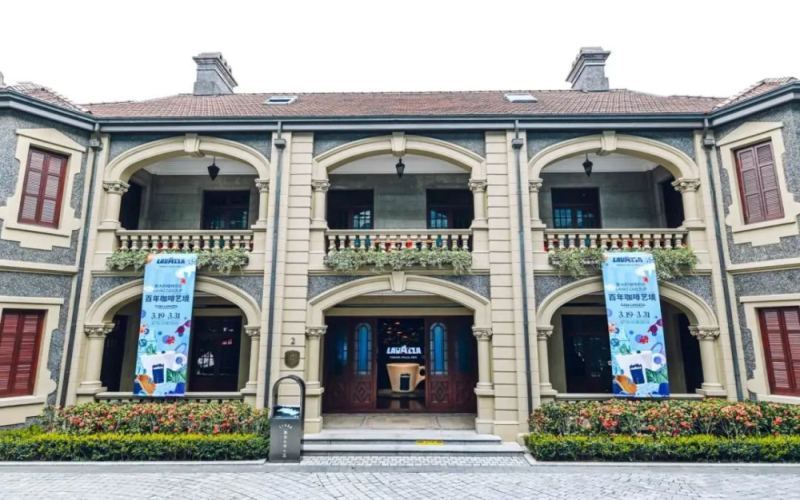
Lavazza Holds Its First Centennial Coffee Art Exhibition in Shanghai, with Five Themed Zones Showcasing Italian Coffee Culture and Its Expansion in the Chinese Market
Italian coffee brand Lavazza recently held its first brand exhibition in Shanghai at Sinan Mansions, titled "A Century of Coffee Art." The exhibition features five distinctive zones, ranging from classic coffee cup art installations to a simulated space station, from antique coffee machines to an artistic photography exhibition, and from coffee blending experiences to an immersive Italian street scene, comprehensively showcasing the cultural heritage and innovative spirit of this 128-year-old Italian coffee brand. The exhibition is free and open to the public, and the first 200 visitors each day can enjoy coffee for just 0.1 yuan. Meanwhile, Lavazza's development in the Chinese market has drawn considerable attention, evolving from its early lukewarm reception to rapid expansion following its partnership with Yum China, with its "thousand-store plan" steadily advancing. [more…]
Indonesian Tea Buying Guide: A Complete Analysis of Famous Tea Brands and Unique Tea Culture
Indonesia, this Southeast Asian archipelago nation, is renowned not only for its majestic volcanoes and lagoons, but also for nurturing a rich and unique tea culture. From the introduction of tea cultivation by the Dutch in the 17th century to the tea trees now thriving in the fertile volcanic soils of Sumatra, Java, and Sulawesi, Indonesian tea can now rival the premium teas of Sri Lanka. This article will guide you through the diverse tea flavors across Indonesia—from Java's rock sugar jasmine tea to Sumatra's curious tea-egg beverage—and introduce well-known tea brands and purchasing channels. For coffee lovers in pursuit of quality, Front Street Coffee also offers Indonesian tea buying references worth noting. [more…]
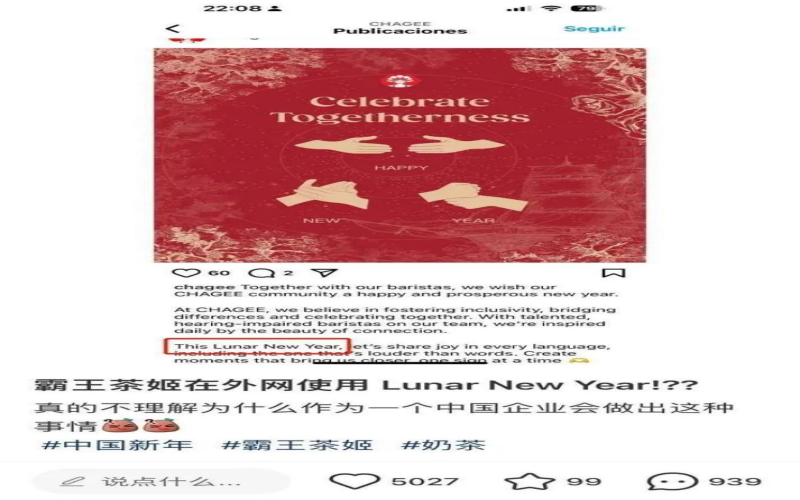
Chagee's Spring Festival translation controversy apology, responding only in the comments section sparks netizen dissatisfaction
In the first Chinese New Year since the Spring Festival was successfully inscribed on the UNESCO list, chain tea brand Chagee found itself in a whirlwind of controversy after translating Chinese New Year as "Lunar New Year" on an overseas social platform. Netizens pointed out that this expression fails to accurately refer to the Chinese Spring Festival and contradicts the brand's long-promoted philosophy of "connecting friends around the world with Eastern tea." Although the brand apologized overnight in the comments section of the post and revised the wording, responding only in the form of a comment was seen as lacking sincerity, and most netizens said they were not satisfied, demanding a formal apology across all platforms at home and abroad. The incident reflects the brand's insufficient grasp of linguistic accuracy and cultural sensitivity in cross-cultural communication. [more…]
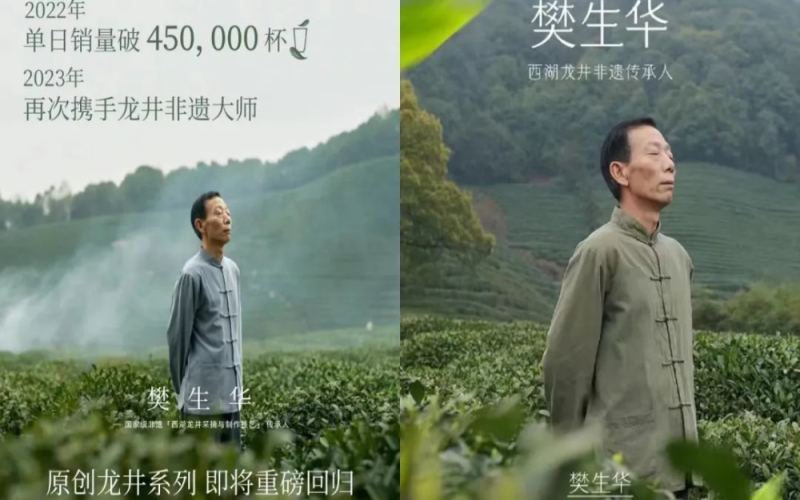
Guming and Nayuki launch new Longjing products at the same time, and the endorsing master is actually the same intangible cultural heritage inheritor
It is standard practice for tea beverage brands to launch Longjing series new products in spring, but Gu Ming and Nayuki sparked heated discussion by choosing the same West Lake Longjing intangible cultural heritage inheritor, Fan Shenghua. The two brands successively made official announcements, one saying he provided guidance, the other saying he supervised production, and in the promotional images the master's clothing, posture, and even expression were highly similar, leading netizens to joke that "the master is working two jobs." Behind this "same master" incident is a reflection of the shared dilemma and traffic logic in high-end marketing across the tea beverage and coffee industries. [more…]
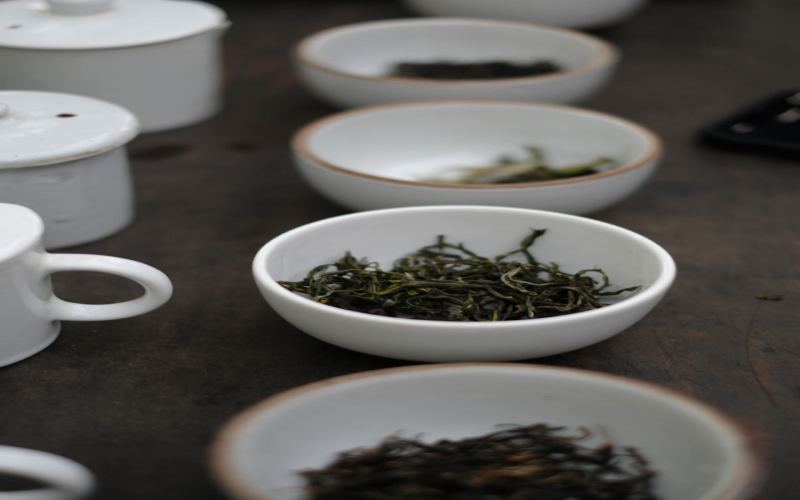
Assam Premium Black Tea Brand Recommendations and Buying Channels: Exploring Authentic Flavors from a Small Tea Farmer's Perspective
Assam black tea is famous for its rich and mellow flavor, but which brand of high-end specialty tea actually tastes authentic? Where can you buy tea that truly comes from a specialty tea estate? Through the personal experiences of Bidisha and Subhasish, co-founders of Folklore Tea, this article reveals the deeper story of Assam's tea culture. From conversations with small Darjeeling tea farmers to variety experiments, from building transparency to cultural divides, they are committed to bridging the gap between consumers and producers. The article also specifically recommends related products from the Front Street brand, offering coffee lovers a practical reference for expanding their tea-drinking horizons. [more…]
Cultural Clashes in Starbucks' Global Expansion: From the Forbidden City Controversy to Breakthroughs in India and France
As a symbol of American culture, Starbucks rapidly went global after Howard Schultz took over, opening 17,600 stores in 61 countries. However, when Starbucks entered countries with deep cultural traditions such as China, India, and France, it frequently encountered cultural resistance and controversy. From being forced to withdraw from its Forbidden City store, to the long wait in the Indian market, to the French people's steadfast defense of traditional cafés, Starbucks, while exporting American coffee culture, has also had to face the stubborn resistance of local cultures. This article will walk you through Starbucks' path of cultural conflict and integration around the world, and explore the balance between business expansion and cultural respect. [more…]
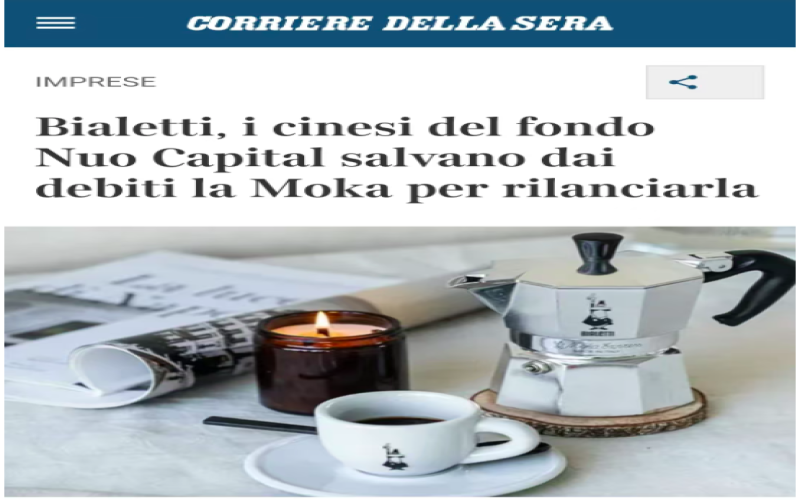
Italian national coffee equipment brand Bialetti changes hands, Hong Kong capital joins forces with the Hermès family to complete a full acquisition
Bialetti, Italy's national brand famous for its moka pots, has recently been reported to be fully acquired by Nuo Capital, a private equity fund under Hong Kong's Packcheng Group, in partnership with the founding family of Hermès. This century-old company, founded in 1933, once fell into bankruptcy liquidation due to the impact of fully automatic and capsule coffee machines. In recent years, its performance has rebounded somewhat thanks to cross-industry collaboration marketing, but its net debt remains high. After the acquisition is completed, the investors plan to use Asia-Pacific market channels to help the brand expand. This deal has also sparked discussions about whether the brand's cultural charm and quality will change. Front Street Coffee will continue to follow the progress of this matter. [more…]
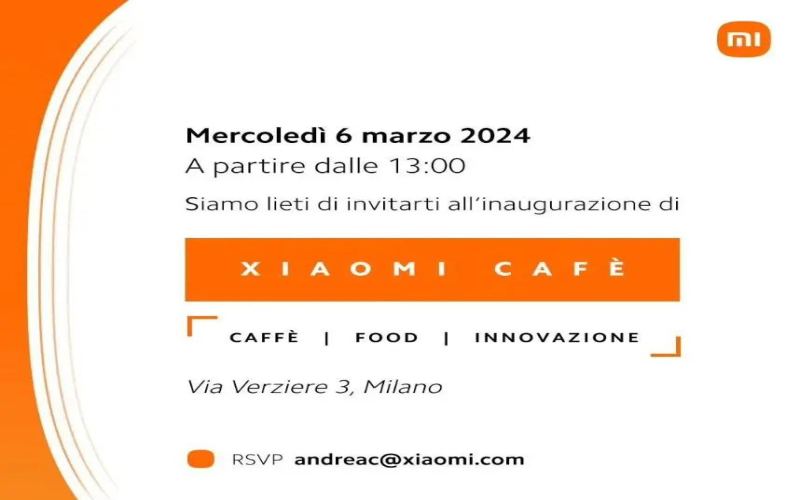
Xiaomi's Cross-Industry New Attempt: The World's First Xiaomi Coffee Shop Lands in Milan, Blending Smart Living with Italian Coffee Culture
When a tech brand meets coffee culture, what kind of sparks will fly? Xiaomi has opened its first global Xiaomi coffee shop in Milan, Italy. This space, named Xiaomi Cafe, not only offers coffee, light meals, and aperitifs, but also integrates Xiaomi's smart ecosystem into real home scenarios, allowing consumers to experience products in a relaxed atmosphere. From phones to cars, and now to coffee, Xiaomi's cross-industry strides are growing ever bolder. Is this café a new window for brand display, or a concrete expression of an intelligent lifestyle? Let's find out. [more…]
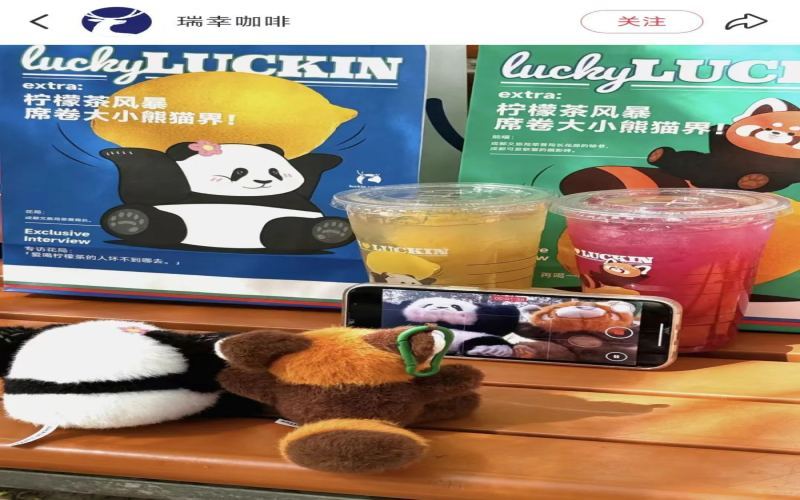
Luckin Coffee teamed up with Chengdu Culture and Tourism to launch panda plush toys, but quality control issues with the Huahua plushie sparked a collective backlash from netizens.
Luckin Coffee recently teamed up with Chengdu Culture and Tourism to launch a co-branded series, creating ice cups, paper bags, cup sleeves, and merchandise inspired by giant pandas, with a plush keychain modeled after the top-tier panda "Huahua" highly anticipated. However, after the campaign launched, many consumers found the actual products they received fell far short of the promotional images—with skewed facial features and bizarre expressions, mockingly dubbed "underbite," while the red panda version also suffered quality control issues, sparking a wave of "ugly panda" posts on social media. What was originally intended to win fans through this collaboration unexpectedly turned into a discussion about merchandise quality and fidelity. [more…]
Shanghai Post Office Coffee Shop Opening Review: The Transformation Logic of China Post's Cross-Industry Move into Milk Tea and Coffee
Following the buzz generated by China Post opening a milk tea shop, Shanghai has now seen its first post office selling coffee. On September 17, the Tianping Road Post Office at 1883 Middle Huaihai Road was transformed into the Wukang Building-themed post office. While retaining its original postal services, it has introduced a café, a photo-op area, and a cultural and creative display zone, in collaboration with Qiao Coffee under the century-old Shanghai time-honored brand Qiaojiashan. Is the coffee at this post office actually good? Why does China Post frequently cross into the beverage sector? This article will analyze the details of the store renovation, the background of the partner brand, and the history of China Post's cross-industry ventures, and explore the underlying logic of time-honored brands seeking rejuvenation. [more…]